Publications
GILS Analyses
In-depth, sourced research on Georgia's labour market, labour law and social dialogue — each with data, counter-arguments and recommendations.
About GILS Analyses
GILS Analyses are the institute's main research publications. Each examines one issue in depth, cites every figure to its source, presents counter-arguments and sets out GILS recommendations. GILS Perspectives relate major international reports, such as those of the ILO, to Georgia.
All analyses, newest first
 Labour Inspection in Georgia Five Years After the Full Mandate: More Inspections, an Unratified Convention — and the Evidence Still MissingGeorgia's Labour Inspection Service has had a full mandate only since 2021. Inspections have grown fast, but Convention No. 81 is still unratified, staffing data are out of…
 AI, Skills and Young Workers in Georgia: What the ILO’s 2026 Evidence Says — and What It Doesn’tThe ILO's 2026 reports identify the accelerating adoption of artificial intelligence as one of the risks facing labour markets, while finding that AI-specific skills are still a small…
 Georgia and the ILO’s Lifelong Learning and Skills Report: Vocational Reform, Adult Learning and the Apprenticeship StandardIn May 2026 the ILO published Lifelong learning and skills for the future, a World of Work report arguing that lifelong learning must become a central pillar of…
 Georgia and the ILO’s Employment and Social Trends 2026: How Georgia Compares with the Global PictureIn January 2026 the ILO published Employment and Social Trends 2026, its annual flagship assessment of the world's labour markets. Its central message — headline stability masking stalled…
 Georgia’s NEET Challenge: Why Young Women and Graduates Are Most at Risk of Being Left OutRoughly three in ten young Georgians aged 15–29 have been found to be neither in employment, education nor training (NEET). Among teenagers the NEET share has been falling,…
 Georgia’s Small-Business Tax Cliff: How Micro and Small Business Regimes Can Discourage the First Formal HireGeorgia's special tax regimes for micro and small businesses are among the most generous in the region: zero tax on turnover below GEL 30,000, and 1% on turnover…
 Where Work Pays Least in Georgia: The Sector, Gender and Public-Sector Roots of Low PayAverage earnings in Georgia have risen fast — to GEL 2,466 per month by the end of 2025. But the gains are distributed very unevenly. Employees in information…
 Remittances Are Holding Georgia Together — But For How Long?Remittances have long been one of Georgia's largest sources of foreign income. Between 2021 and 2024 their composition changed dramatically: transfers from Russia surged five-fold in 2022 and…
 Georgia’s Gender Pay Gap: An 11% Adjusted Gap, a One-Third Raw Gap — and an Equal Pay Law Too Narrow to Close ItGeorgian women earn about a third less than men on average. Since 2022, Geostat has also published an adjusted gender pay gap — the gap that remains after…
 Georgia’s Social Assistance: One in Five Residents Covered, Benefits Below Subsistence — and a Work PenaltyGeorgia's Targeted Social Assistance programme reaches more than 700,000 people — around one in five residents, including nearly a third of all children — even though official absolute…
 Georgia’s Public Service Law After the 2024–2025 Amendments: What Changed for Public Servants’ Job ProtectionGeorgia's 2015 Law on Public Service was designed, with international support, to build a merit-based and stable civil service. Since December 2024, Parliament has amended it four times.…
 Georgia’s Employment Promotion Law: A Framework for Job Seekers, Not Yet a System for the UnemployedGeorgia's Law on Employment Promotion, adopted in July 2020, was the country's first comprehensive legal framework for public employment services. It created the State Employment Support Agency, defined…
 Disability and Work in Georgia: Stronger Laws, Very Low Employment — and a Data GapSince 2020 Georgia has adopted a Law on the Rights of Persons with Disabilities, introduced a duty of reasonable accommodation in the Labour Code and created protected workplaces…
 37% of Georgia’s Workers Are Informally Employed: Who They Are, Where They Work, and Why Informality PersistsAccording to the ILO's most recent analysis of Georgian Labour Force Survey data, 37.1% of employed people in Georgia worked informally in 2022. The profile that emerges is…
 Working Poverty in Georgia: Why Having a Job Is No Longer a Guarantee Against PovertyGeorgia has made striking progress against poverty: the share of the population below the absolute poverty line fell from 11.8% in 2023 to 7.1% in 2025. Yet the…
 How Many Georgians Live Abroad? What the Migration Data Actually Show — and Why the Labour Market Should CareClaims that 1.5 million Georgians work abroad circulate widely, but they are not supported by official data. United Nations estimates put the number of people born in Georgia…
 Georgia Has Not Ratified the ILO’s Fundamental Safety Conventions: Why C155 and C187 MatterIn 2022 the International Labour Conference made a safe and healthy working environment a fundamental principle and right at work, raising the ILO's two framework conventions on occupational…
 Georgia’s First Decent Work Country Programme (2024–2026): Two Priorities, Nine Outcomes — and the Questions It Leaves OpenOn 13 August 2024, the Government of Georgia, the Georgian Trade Unions Confederation, the Georgian Employers' Association and the ILO signed Georgia's first Decent Work Country Programme. It…
 Georgia’s Minimum Wage Has Been GEL 20 Since 1999: The Numbers, the Reform Proposals, and What a Credible Law Would NeedGeorgia's minimum wage for the private sector is GEL 20 a month, set by presidential order in 1999 and never revised. It is equal to less than 1%…
 Georgia’s Tripartite Commission: A Broad Mandate, Limited Results — and the Design Changes That Could HelpGeorgia created a Tripartite Social Partnership Commission in 2009 and gave it a statutory basis in 2013. Its stated purpose is to promote social dialogue between government, employers…
 Youth Unemployment in Georgia: Falling Rates, Shrinking Participation — Why the Headline Hides an ExitGeorgia's youth unemployment rate (ages 15–24) fell from 39.4% in 2020 to 34.5% in 2023. At first sight this is good news. But over the same period the…
 The 2022 GTUC–GEA Memorandum: Social Partners’ Cooperation on the Minimum Wage — and the Steps Still NeededOn 21 October 2022, the Georgian Trade Unions Confederation (GTUC) and the Georgian Employers' Association (GEA) signed a memorandum of cooperation committing them to develop joint positions on…
 Labour Underutilisation in Georgia Is Double the Headline Unemployment Rate: What the LFS MissesIn 2024 Georgia's unemployment rate fell to 13.9%, down 2.5 percentage points on the previous year. Yet the ILO's composite measure of labour underutilisation stood at 28.8% —…
 Georgia’s Equality Law After the 2025 Amendments: What Changed — and What It Means for Women at WorkGeorgia's Law on Gender Equality, adopted in 2010, was renamed and amended in April 2025: the term "gender" was removed from it and from related laws and replaced…
 Collective Bargaining in Georgia: Why Coverage Is Not Yet MeasuredHow many Georgian workers are covered by a collective agreement? No one can say with confidence: Georgia publishes no official statistic on collective bargaining coverage, and figures in…
 Georgia’s Labour Code Since 2006: From Deregulation to EU Approximation — and the Gaps That RemainGeorgia's Labour Code, adopted in 2006, offered workers minimal protection, and its first years coincided with the abolition of labour inspection. Two major reforms — in 2013 and…
 Georgia’s Anti-Discrimination Law at Ten Years: 1,363 Cases, a Stronger Mandate — and Weak Remedies for WorkersGeorgia's Law on the Elimination of All Forms of Discrimination was adopted on 2 May 2014, creating an equality mechanism within the Public Defender's Office. In its first…
 GILS Decent Work Scorecard for Georgia: 15 Indicators, Sourced — and Why We Withdrew a Single-Number IndexAn earlier version of this page presented a single "Decent Work Index" score for Georgia. GILS could not document the methodology and data behind that score to the…
 Who Documents Labour Rights Violations in Georgia? Independent Unions, Civil Society and the Labour Inspection ServiceWho documents labour rights violations in Georgia? Alongside the Labour Inspection Service and the Public Defender, independent unions and civil society organisations — the Solidarity Network, the New…
 Education Mismatch in Georgia: 27% of Workers Are Overeducated for Their Jobs — While Employers Report Skill ShortagesA June 2026 IMF analysis of Georgian Labour Force Survey microdata finds that 27% of prime-age workers and 36% of young workers were overeducated for their jobs in…
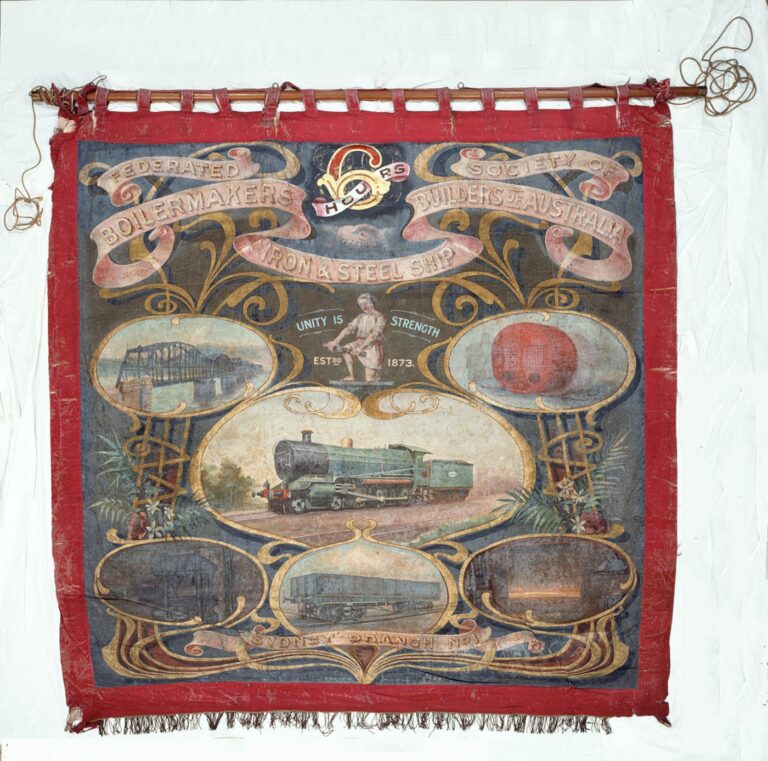 Trade Union Membership in Georgia: Roughly One in Six Employees — and Why Organisation Still MattersGeorgia does not publish an official trade union density statistic. Using the membership figure reported by the Georgian Trade Unions Confederation and Geostat's count of hired employees, GILS…
 Georgia’s Pension System Seven Years After the 2019 Reform: GEL 8.2 Billion Saved, but Coverage and Adequacy Gaps RemainSeven years after Georgia introduced a funded pension scheme, its assets have passed GEL 8.2 billion and it has more than 1.7 million participants. But the scheme is…
 Why Georgia Needs Independent Labour Research: The Evidence Gaps — and the Standards GILS Holds Itself ToGeorgia makes consequential decisions about wages, labour law and social protection with significant gaps in the evidence. In reviewing every article on this site against primary sources during…