Chemical hazards at work
Dusts, fumes, solvents, pesticides, carcinogens and asbestos — the exposures behind most work-related disease, and Georgia's regulatory position.
Last updated: 3 October 2026
Overview
Chemical and particulate exposures at work cause most work-related disease. In the WHO/ILO Joint Estimates, occupational exposure to particulate matter, gases and fumes was responsible for 450,000 deaths in 2016, chiefly from chronic obstructive pulmonary disease, and occupational carcinogens and asthmagens are among the 19 quantified risk factors (WHO and ILO, 2021). In the EU, work-related cancers alone cost an estimated €119.5 billion a year (EU-OSHA). Georgia records no occupational disease, so chemical harm at work is invisible in national data.
Key figures
450,000
Deaths in 2016 worldwide from occupational exposure to particulate matter, gases and fumes
WHO and ILO (2021)
€119.5 billion
Annual cost of work-related cancers in the EU
EU-OSHA
No. 170
ILO Chemicals Convention, 1990 — not ratified by Georgia
ILO NORMLEX
None published
Georgian data on occupational chemical exposure or disease
GILS
Main exposures by sector in Georgia
| Sector | Typical agents | Health effects |
|---|---|---|
| Mining and quarrying (Chiatura manganese, Tkibuli coal) | Manganese dust, coal and silica dust, diesel exhaust | Pneumoconiosis, silicosis, neurological effects of manganese, lung cancer |
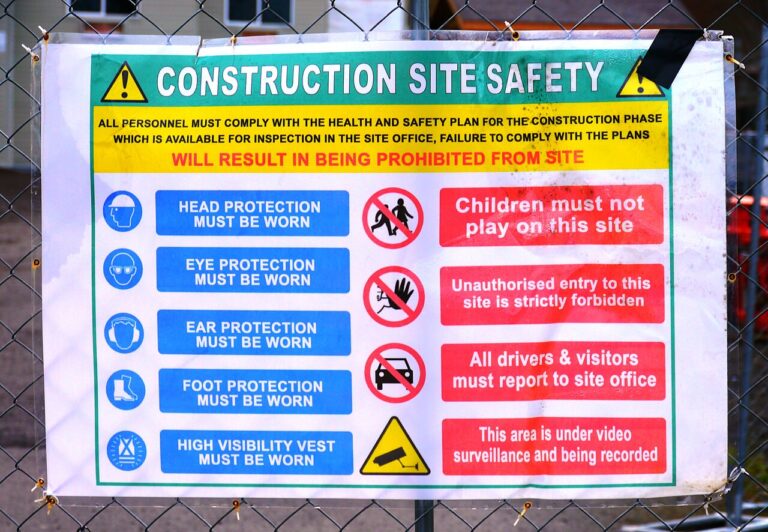
| Construction | Silica (cutting, demolition), cement, solvents, asbestos in older buildings | Silicosis, dermatitis, asbestos-related cancers |
| Manufacturing (metals, chemicals, Rustavi and Zestaponi) | Metal fumes, acids, solvents | Respiratory disease, cancers, poisoning |
| Agriculture | Pesticides, fertilisers | Acute poisoning, chronic neurological and endocrine effects |
| Health care | Disinfectants, cytotoxic drugs, anaesthetic gases | Asthma, dermatitis, reproductive effects |
Sector agents are the standard exposures described in the ILO Encyclopaedia and the International Chemical Safety Cards; GILS found no Georgian measurements of exposure.
Standards
| Instrument | Content | Georgia |
|---|---|---|
| ILO Convention No. 170 (1990) | Classification, labelling, safety data sheets, exposure control | Not ratified |
| ILO Convention No. 162 (1986) | Safety in the use of asbestos | Not ratified |
| ILO Convention No. 139 (1974) | Occupational cancer | Not ratified |
| ILO–WHO International Chemical Safety Cards | Hazard and safety information for individual chemicals, in many languages | Reference resource |
| EU Chemical Agents Directive 98/24/EC and Carcinogens, Mutagens and Reprotoxic Substances Directive 2004/37/EC | Risk assessment, exposure limits, substitution, health surveillance | Listed for approximation under the Association Agreement; not among the five directives transposed in 2022–2023 |
| UN Globally Harmonized System (GHS) and EU CLP Regulation | Classification and labelling of chemicals | Georgia's adoption status not confirmed in published sources |
Public health perspective (WHO)
WHO addresses chemical safety at work through the International Programme on Chemical Safety, the Chemical Safety Cards developed with the ILO, and its work on elimination of asbestos-related diseases; it includes occupational carcinogens, asthmagens and particulates in the Joint Estimates. For WHO, exposure control at work is part of chemical safety across the whole population, and occupational cancers and respiratory disease are counted in national cancer and non-communicable disease surveillance when they are diagnosed, which requires occupational medicine capacity Georgia lacks. Workers' health: the public health perspective.
Data gaps
- No national register of occupational disease; no exposure measurements published; no list of substances with occupational exposure limits found in published sources.
- Asbestos: Georgia's legal status on chrysotile asbestos use is not confirmed in published sources; the EU has banned all asbestos since 2005.
- The GILS 2027 health-worker survey will include questions on handling of disinfectants and cytotoxic drugs.
Sources
- WHO and ILO (2021). Almost 2 million people die from work-related causes each year. www.who.int
- EU-OSHA (2018). Costs of work-related accidents and illnesses. osha.europa.eu
- ILO–WHO International Chemical Safety Cards. www.ilo.org
- ILO. Safety and health at work — risk-specific instruments. www.ilo.org
- ETF–Eurofound (2024). Working life in Georgia. www.etf.europa.eu
Figures are from the GILS Evidence Register and the official sources shown. GILS is independent of government, trade unions, employers' organisations and the ILO.
In this section
← OSH hubTwo perspectives: ILO and WHO · National OSH Profile · Normative instruments · International standards · Law and institutions · Accidents and deaths · Occupational diseases · Chemical hazards · Noise, vibration and radiation · Ergonomics and musculoskeletal disorders · Psychosocial risks at work · Construction · Mining · Agriculture · Heat and climate · Health workers · Infection and sharps · Violence · Health workers: burn-out · Women at work · Young and older workers · Workplace action and training
GILS analyses on this topic
 Labour Inspection in Georgia Five Years After the Full Mandate: More Inspections, an Unratified Convention — and the Evidence Still MissingGeorgia's Labour Inspection Service has had a full mandate only since 2021. Inspections have grown fast, but Convention No. 81 is still unratified, staffing data are out of…
 Georgia Wire: Parliament Hears the Labour Inspection Service’s 2025 Report — Five Years After the Full MandateParliament's Economic Policy Committee has heard the Labour Inspection Service's report for 2025: 7,111 inspections, 3,709 facilities inspected for the first time, and a reported 46% fall in…
 Georgia Has Not Ratified the ILO’s Fundamental Safety Conventions: Why C155 and C187 MatterIn 2022 the International Labour Conference made a safe and healthy working environment a fundamental principle and right at work, raising the ILO's two framework conventions on occupational…
 Georgia Wire: 32 Workplace Deaths in 2025, Two-Thirds in Construction — What the Labour Inspection Data ShowThe Labour Inspection Service recorded 32 workplace deaths and 179 injuries in 2025, and reported a 46% fall in fatal accidents compared with the previous year. Construction accounted…